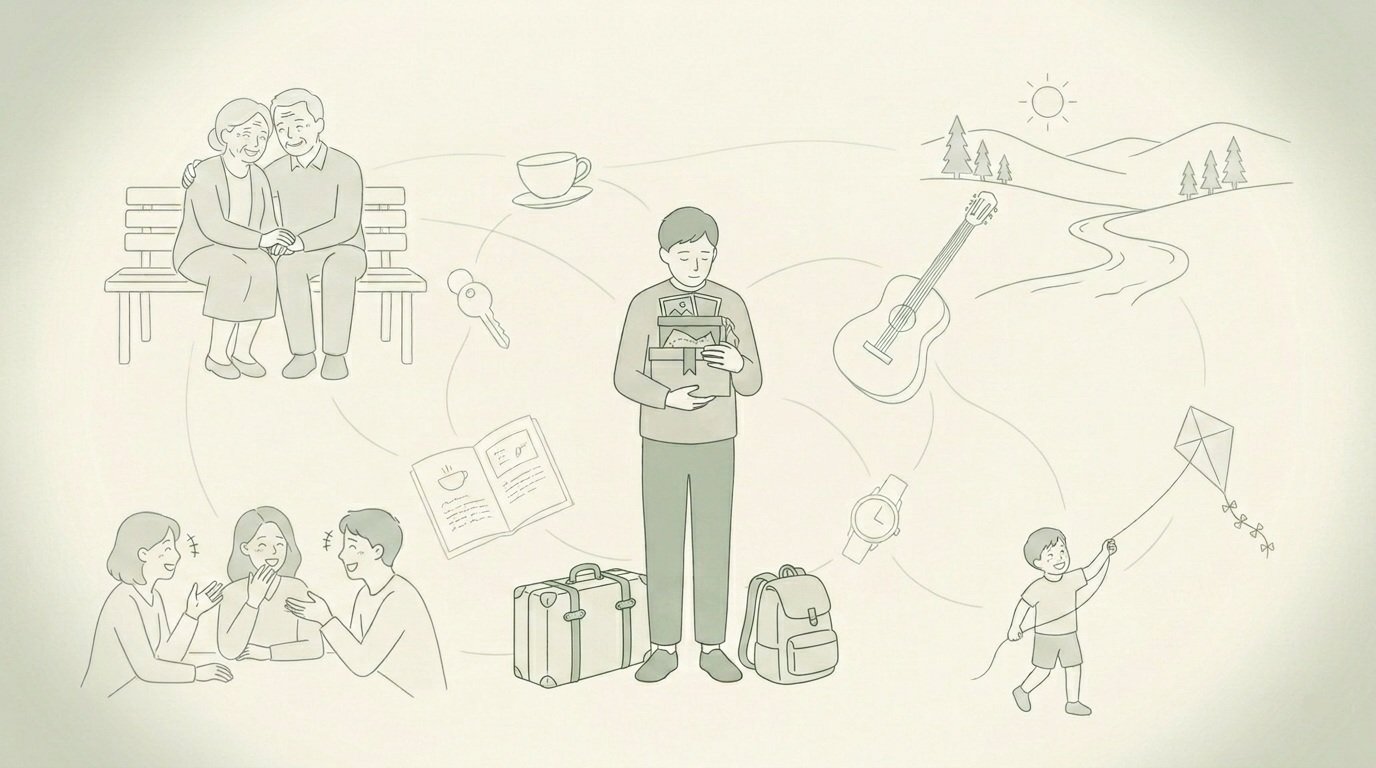
People immigrate for many reasons, from dreamed and planned contexts to rushed and forced circumstances, and all variations in between. Some have time to prepare for the parts of immigration that show up on paperwork, residence, work, and some are just scaping to protect their lives from conflict and war. Canada has brought about humane and generous policies throughout decades to embrace, support and integrate all types of immigrants.
However, regardless of the immigration process, the bureaucracy, the visa, the flight, the residency, the financial support or the first paycheck in a currency that still feels like play money, what almost no one prepares you for is the grief of immigration, because it doesn't look like grief. It's easy to call it homesickness, but it goes deeper than that. Sometimes, it looks like exhaustion, it looks like irritability you can't explain, it looks like rejection of the new. It looks like crying because you don’t understand how fill out certain forms for a job application or even because in a grocery store, they don't carry the brand of tea your grandmother used to make.
In my practice, I see this constantly with clients who left one country to build a life in another. They come in describing anxiety, or a low mood they can't shake, or a strange numbness that settles in around month six, right after the novelty wears off and mostly of the logistics are handled. What we usually find, underneath, is unmourned loss. Not one loss, but many, stacked quietly on top of each other: family, friends, relationships, practices, food, language obviously, all sorts of things that shaped who people are and what once oriented their motivations, their ambitions or their desire to be related or be themselves. The world suddenly got much smaller, inaccessible to a degree or, at best, foggy.
The losses that don't get a funeral
When someone dies, every single culture carries some form of ritual. People join the immediate family, sometimes helping to prepare the body for elaborate ceremonies, sometimes simple gathering in sacred spaces, where time is spent together with others in respect to the dead person, but equally in support of those who are forced to face a sudden rupture in the “predictable” flow of life. Death, ideally momentarily, breaks the mirrors and glasses of our existence and allows for feelings we don’t often feel. But in cultural practices, we can also find the elements that readily scaffold this transition between states, so people can come together, in one way or another, and mourn: crying while recalling memories of moments they had with the deceased, or telling stories about them, feeling the weight and sorrow of having, from now on, to live a life without their presence, or, better said, with some sort of spectrum of their presence. These rituals are extremely important, because in them, you're allowed to fell and be sad in public, and no one asks you to explain why.
Immigration grief has none of that. There's no ceremony for losing the sound of your own language on the street, the ease of knowing exactly how a bureaucracy works, the friendships that took twenty years to build and now live eight time zones away. There's no ceremony for the version of yourself who would have existed if you'd stayed, the one who knows your city's shortcuts, who ages alongside the people who knew them as a child.
That self doesn't die dramatically, it just quietly stops being possible, one visa renewal at a time, and because nobody hands you a condolence card for it, many people never name it as loss at all. They just feel like something is wrong with them for not being happier, given everything worked out.
Two things can be true
Here is what I say to almost every client navigating this: you are allowed to be genuinely grateful for the life you've built and genuinely grieving the one you left. Gratitude does not cancel grief, and grief does not cancel gratitude and treating them as mutually exclusive is often what keeps people stuck. They think they need to suppress the sadness because they feel they haven't earned the right to it, “I have done so well and I feel so bad to not just be more content about my life” or “I feel so ungrateful, I don’t have the right to complain about anything” are things I hear. And often, this form of suppression is what turns into anxiety, irritability, or a flat, going-through-the-motions kind of numbness.
The work, most of the time, isn't about resolving the grief so it goes away, it's more about giving it a space to exist so it stops leaking sideways into everything else. That can look like actually speaking the losses out loud, in a room where someone will take them seriously instead of responding with "but you're so lucky to be here/there." It can look like keeping small rituals from home rather than treating them as things you should have outgrown. It can look like allowing yourself to miss a place while still choosing, every day, to be here.
If this is you
If you recognize any of this, the unexplained heaviness, the guilt about feeling anything other than lucky, the sense that you're supposed to be happier or “past it by now”, you are not broken, and you are not ungrateful. You are grieving something real that deserves to be named as what it is. That naming, in my experience, is usually where the relief begins.